What Are Those Black Dots on Puff Pastry?
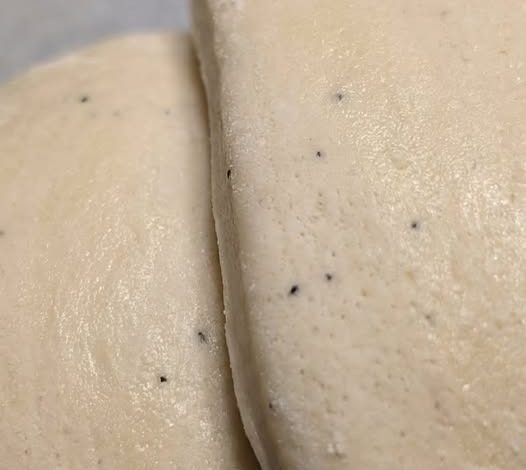
It can be quite a shock to pull out a sheet of dough and notice unexpected marks. If you have ever asked yourself, “What Are Those Black Dots on Puff Pastry (And When to Worry)”, you are certainly not the only baker to have this concern. Whether you are aiming for a savory tart or a sweet turnover, seeing charcoal-colored specks on your pastry can make you want to throw the whole batch away.
ADVERTISEMENT
However, before you toss your ingredients in the trash, it is important to understand that most of the time, these dots are completely natural. They are often just a result of the ingredients reacting to air or heat. In this guide, we will break down why these spots appear and how to tell the difference between a harmless quirk and actual spoilage.
ADVERTISEMENT
Identifying the Difference: Mold vs. Harmless Specks
The first step is to stay calm and look closely at the dough. To keep your kitchen safe, you need to rule out the real threat of mold.
ADVERTISEMENT
True mold on pastry usually has a specific set of characteristics. It often appears “fuzzy, raised, or moist—often in blues, greens, or whites—and spreads unevenly.” Another major giveaway is the scent; moldy dough typically “smells musty or sour.”
On the other hand, harmless specks are usually part of the dough itself. They are “flat, dry, and uniform—like tiny freckles baked into the dough.” These spots do not smear when you touch them, and they do not have a fuzzy texture. Most of the time, these little marks are nothing to worry about.
The Four Most Common Reasons for Black Dots
There are several scientific and structural reasons why these dots appear. Almost all of them are a normal part of the baking process.
1. Natural Bran Particles If you are using high-quality flour, you might see “bran specks: The mark of real flour.” Not all flour is processed until it is perfectly white. If you use organic or stone-ground varieties, tiny pieces of the wheat husk remain. When the dough is chilled or baked, these particles can darken. This is actually a sign of “authenticity” and minimally processed ingredients.
2. Caramelized Milk Solids Puff pastry relies heavily on butter for its famous flakes. Because the dough is often composed of a high percentage of butter, you are dealing with more than just fat. Butter contains milk proteins. During the folding process, these proteins can clump together. When heat is applied, you get “caramelized butter solids: Flavor in disguise.” These look like tiny brown or black freckles and actually add a rich, toasted flavor to your crust.
3. The Oxidation Process Just like an avocado or an apple turns brown when exposed to air, dough can undergo a chemical change called oxidation. This is often described as “oxidation: Pastry’s quiet aging process.” If the pastry sits in the fridge too long or is thawed and refrozen, the fats begin to react with oxygen. This creates a mottled or speckled look. While it is usually safe to eat, it might not rise as high as fresh dough.
4. Surface Transfers from Baking Sheets Sometimes the issue isn’t the dough at all, but the pan. These are known as “surface ghosts: The tray’s leftover tattoo.” If a baking sheet wasn’t scrubbed perfectly clean, bits of burnt flour or sugar from a previous meal can stick to the bottom of your new pastry. Using parchment paper is an easy way to prevent this from happening.
A Simple Guide to Safety
To help you decide whether to proceed with your recipe, follow these simple safety checks.
You can bake with confidence if:
-
The dots are flat and feel exactly like the rest of the dough.
-
The pastry has a neutral or buttery scent.
-
There are no bright colors like blue or green and no fuzzy textures.
It is best to toss the dough if:
-
The “specks are fuzzy, raised, or moist.”
-
You see “mold in blues, greens, or whites.”
-
The smell is “sharp, sour, or musty.”
-
The pastry has heavy freezer burn or has been stored way past its expiration date.
How to Keep Your Pastry Fresh
If you want to avoid these spots in the future, a few simple storage habits can make a big difference. First, try to “keep pastry tightly sealed in the freezer” and avoid thawing it until you are ready to use it. Repeatedly thawing and refreezing is a primary cause of oxidation.
Also, always “wipe baking sheets clean before use” to avoid any unwanted transfers. If you prefer a perfectly white look, you can choose highly refined flours, though you may lose some of the rustic flavor that comes with less processed versions.
In the end, those tiny black dots are usually just “evidence of real ingredients meeting real heat.” As long as the dough smells fresh and isn’t fuzzy, you can “roll, fold, and bake with confidence.” If you ever truly suspect mold, it is always better to be safe and start fresh, because “joyful baking starts with trust” in your food.