9 Everyday Foods That May Not Be as Harmless as They Seem
When we think about our favorite meals, we often focus on the flavor rather than the safety of the ingredients. However, many people do not realize that food poisoning is a very real risk until they are personally dealing with “stomach cramps” and other uncomfortable symptoms. The reality is that most of these illnesses can be avoided if we are more careful with how we handle what we eat.
ADVERTISEMENT
Dangerous germs like bacteria, viruses, and parasites can get into our food at almost any time. This can happen while the food is being stored, when it is being prepared on a counter, or even while it is being cooked. While anyone can get sick, some people are at a much higher risk. This group includes “pregnant women, young children under five, adults over sixty, and anyone with a weakened immune system.” You might think that food poisoning only comes from “questionable street food,” but it can actually start right in your own kitchen with the items you buy every week.
ADVERTISEMENT
Here are nine common foods that require extra care to keep you and your family safe.
ADVERTISEMENT
1. Fresh Produce That Has Not Been Washed
We all know that fruits and vegetables are great for our health, but eating them raw without cleaning them first can be dangerous. Leafy greens can pick up germs like E. coli or salmonella from the soil, the water used on the farm, or even the tools used to harvest them. In many places, “outbreaks have been linked to lettuce, spinach, kale, cabbage, tomatoes, and celery.” To stay safe, always wash your produce under cold running water. It is also a good idea to throw away any packaged salads if you see “wilted or spoiled leaves” inside the bag.
2. Raw Sprouts
Sprouts like alfalfa or bean sprouts are grown in very warm and wet conditions. While this is great for the plants, it is also the perfect home for bacteria to grow. Because the germs can sometimes be hidden “inside the seed before it even sprouts,” simply washing them might not be enough to make them safe. Because of this, experts often “advise pregnant women and other high-risk individuals to avoid eating raw sprouts” entirely. Cooking them until they are hot is the best way to kill any lingering germs.
3. Eggs That Are Raw or Undercooked
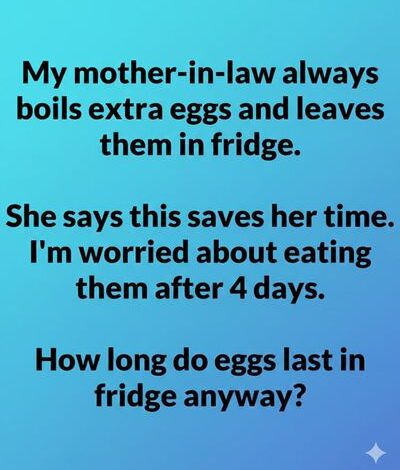
Eggs are a staple in many diets, but they can sometimes carry salmonella on the outside of the shell or even on the inside. To lower your risk, you should always “discard eggs with cracked or visibly dirty shells.” If you are making a recipe that traditionally uses raw eggs, like “homemade mayonnaise, salad dressings, or certain desserts,” it is much safer to buy pasteurized eggs from the store. Be especially careful with “soft-boiled or runny eggs,” as they may not have reached a high enough temperature to kill bacteria.
4. Raw Fish and Certain Shellfish
Fish that is not stored at the right temperature can develop a substance called histamine. This can lead to something called “scombroid poisoning,” which causes symptoms like “flushing, nausea, wheezing, and swelling of the face or throat.” One of the scariest parts is that “histamine cannot be destroyed by cooking.” Other fish from tropical areas might contain “ciguatoxin,” which is another poison that heat cannot remove. To protect yourself, always buy your seafood from a “reputable” store and keep it very cold until you are ready to cook it.
5. Poultry That Is Not Cooked Enough
Chicken and turkey often have bacteria like salmonella living in them. While “thorough cooking destroys these pathogens,” raw meat can easily make your kitchen messy and unsafe. If you touch raw chicken and then touch a “cutting board” or a spoon, the germs can spread everywhere. Experts actually say you should not wash raw chicken in the sink, because the “water droplets” can spray bacteria onto your counters. Instead, just cook the meat to the right temperature and wash your hands and surfaces with soap afterward.
6. Leftover Rice
It might surprise you, but rice can cause food poisoning if it isn’t handled correctly. Raw rice often contains tiny spores that can “survive the cooking process.” If you leave cooked rice sitting out at room temperature, these spores can turn into bacteria and create toxins. To stay safe, you should “serve rice promptly after cooking or refrigerate it quickly.” When you want to eat it the next day, make sure the rice is “steaming hot all the way through” before you take a bite.
7. Milk That Has Not Been Pasteurized
Some people prefer “raw milk” because they think it is more natural, but it can be very risky. Since milk comes from animals that live in barns, it can easily be “contaminated from fecal matter.” This means it might contain E. coli or listeria. “Pasteurization was developed specifically to reduce these risks” by using heat to kill the bad germs. Even if someone tells you raw milk is better for you, safety experts remind us that pasteurization is the best way to prevent serious illness.
8. Beef Served Rare
Beef can carry germs like E. coli, especially if it is ground up. When meat is ground, the bacteria on the surface get mixed into the middle of the “burgers.” This is why eating “steak tartare” or very rare beef can be a gamble. Many safety experts suggest that you should cook “ground beef thoroughly until no pink remains in the center” to make sure it is safe for everyone to eat.
9. Deli Meats and Cold Cuts
Meats like “ham, bologna, hot dogs, and sliced turkey” can pick up a germ called listeria at the deli counter. Listeria is unique because it can grow even in the cold environment of a refrigerator. To stay safe, try to “consume them promptly” after buying them. For people who are at a higher risk of getting sick, it is a very good idea to “heat hot dogs or similar products until steaming” before serving them.
In the end, food poisoning is something that can happen to anyone. However, by being careful about “proper storage” and making sure your food is cooked all the way through, you can keep your kitchen safe. Being aware of these risks is the best way to make sure that “caution in the kitchen” prevents a bad situation later.