Wrapping Food With Aluminum Foil in the Freezer
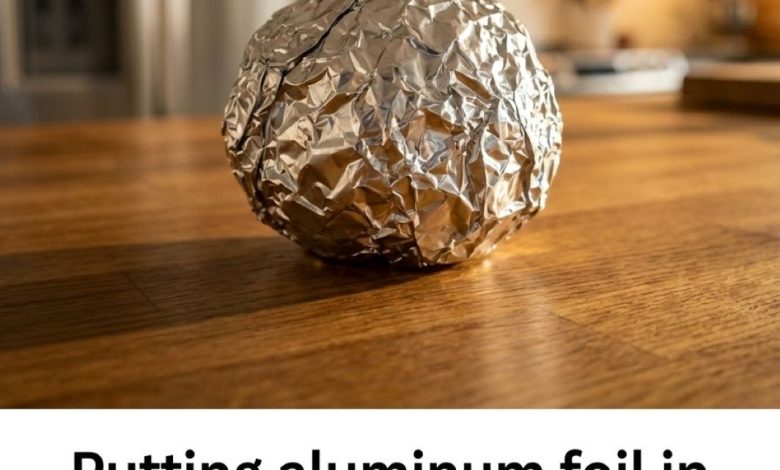
When it comes to kitchen essentials, aluminum foil is often treated like a “freezer MVP.” It is likely already sitting in your kitchen drawer, it is incredibly easy to mold around different shapes of food, and it seems to offer a tight seal with almost no effort. For many of us, this is a habit passed down through generations. We grew up watching our parents and grandparents wrap leftovers or meat in foil and slide them straight into the freezer—no questions asked.
ADVERTISEMENT
However, if you want to maintain the quality of your meals, it is important to understand the full story. The reality is that aluminum foil is useful in the freezer, but it is not a “magic shield.” When you use it correctly, it provides great protection. When used incorrectly, it can quietly ruin the texture, flavor, and overall freshness of your favorite ingredients.
ADVERTISEMENT
What Aluminum Foil Does Best
The primary reason people use aluminum foil is its ability to act as a barrier. Its biggest strength is that it blocks out light and oxygen. These are the two main enemies of frozen food. Oxygen, in particular, causes fats and proteins to oxidize, which leads to that “off” taste we sometimes find in older frozen items.
ADVERTISEMENT
Aluminum foil is a solid choice for:
-
Wrapping large cuts of meat: It works well as an extra layer for steaks or roasts.
-
Short-term storage: It is perfect for items you plan to eat within a few days.
-
Acting as an outer layer: It provides a sturdy shell over more delicate wraps.
Because it molds so tightly, it helps reduce air pockets right at the start.
Where Aluminum Foil Falls Short
Despite how it looks, aluminum foil has some hidden weaknesses. The most important thing to realize is that “aluminum foil is not airtight.” Even if it looks sealed, air can slowly seep in through the tiny gaps, folds, and creases. This exposure to air leads to several problems:
-
Freezer Burn: The most common issue that ruins food quality.
-
Texture Changes: Food can become dry or leathery.
-
Loss of Flavor: The vibrant taste of your food becomes muted over time.
Additionally, foil is fragile. Once it gets cold, it can become brittle and tear easily. A small rip that you don’t even notice can leave your food exposed to the harsh freezer air for weeks. You should also be careful with acidic foods like tomato sauce, citrus-heavy marinades, or vinegar-based dishes. The acid can react chemically with the metal, leading to strange flavors and dark spots on your food.
The Problem with Freezer Burn
It is important to remember that “freezer burn isn’t about safety—it’s about quality.” You won’t get sick from freezer-burnt food, but you probably won’t enjoy eating it. It happens when moisture escapes from the food and turns into ice crystals on the surface. Because foil alone isn’t a perfect seal, it often can’t stop this process during long-term storage. This is usually why people think the freezer “ruins” food, when in reality, it was just the packaging that failed.
How to Use Foil Like a Pro
If you want the best results, think of foil as part of a team. Professionals rarely use it as a solo solution. Instead, try this “double-armor” method:
-
First, wrap your food tightly in plastic wrap or freezer paper to create a moisture-proof seal.
-
Second, “add aluminum foil as a second outer layer” to block out light and extra air.
-
Alternatively, place your foil-wrapped items inside a heavy-duty freezer bag.
When to Choose Something Else
There are times when you should skip the foil entirely. Avoid using it for items you plan to keep frozen for more than a month or two. It is also not the best choice for foods with sharp edges (like bone-in chops) that might puncture the metal. In these cases, vacuum sealing or rigid, airtight plastic containers are much more reliable.
Is It Safe?
The good news is that “freezing food in aluminum foil is safe.” There is no medical or health risk associated with using it at low temperatures. It doesn’t release harmful chemicals just because it is cold. The only real risk is to your dinner’s flavor!
The Bottom Line
“Aluminum foil isn’t the freezer villain it’s sometimes made out to be—but it’s also not a magic shield.” To get the most out of it, remember that it is “a protective jacket, not a locked safe.” It is a helpful tool for the short term, but it works best when it has a little backup.
“Your freezer will still do its job. Your food just needs the right armor.”