Did You Know? Chicken Gizzards Are a Nutritional Powerhouse Worth Trying
ADVERTISEMENT
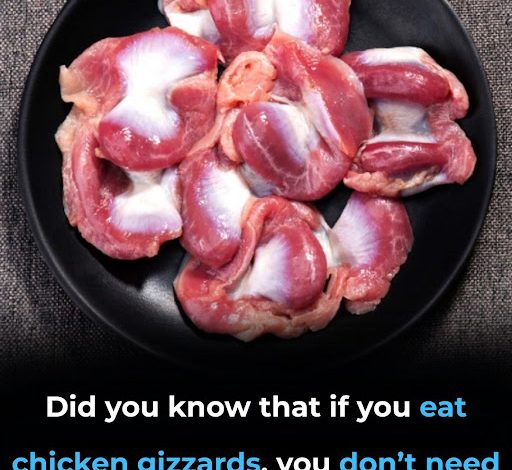
Often dismissed as “offal,” chicken gizzards are actually one of the most nutrient‑dense, budget‑friendly, and sustainable proteins you can eat. Once a staple in nose‑to‑tail cooking, they’re making a comeback—not just for their savory flavor, but for their impressive health benefits.
ADVERTISEMENT
If you’ve never tried them, you’re missing out on a lean, iron‑rich, protein‑packed powerhouse that’s been celebrated in cuisines from the American South to Asia, Africa, and Latin America.
ADVERTISEMENT
🐔 Chicken Gizzards: The Superfood You’ve Been Overlooking
🩺 Why Chicken Gizzards Belong on Your Plate
1. Protein Powerhouse
- 22g of complete protein per 100g serving—on par with chicken breast.
- Contains all 9 essential amino acids for muscle repair, satiety, and metabolism.
2. Rich in Iron
- 4.5–6 mg per serving (25–33% of daily needs).
- Mostly heme iron, which is absorbed far better than plant‑based sources.
- Helpful for preventing or managing anemia.
3. Packed with B Vitamins
- Over 100% of daily B12 in one serving—vital for brain, nerves, and red blood cells.
- Also high in niacin (B3) and riboflavin (B2) for energy and skin health.
4. Excellent Source of Selenium & Zinc
- Selenium supports thyroid and immune function.
- Zinc aids wound healing, immunity, and taste/smell sensitivity.
5. Lean & Low‑Calorie
- ~150 calories and only 3g fat per 100g (mostly unsaturated).
- Leaner than dark meat and cheaper than chicken breast.
6. Sustainable & Ethical
- Promotes nose‑to‑tail cooking, reducing food waste.
- Widely available for under $3/lb in ethnic markets and butcher shops.
🍳 How to Cook Gizzards (Tender, Not Rubbery)
The secret is low, slow, moist heat—gizzards are a working muscle, so they need time to soften.
Classic Preparation
- Clean & Trim: Rinse and remove any lining or silverskin.
- Simmer: Cover with water or broth, add bay leaf, garlic, onion.
- Stovetop: Simmer 1.5–2 hours until fork‑tender.
- Pressure Cooker: 25–30 minutes on high pressure.
Ways to Use Them
- Sauté with onions and peppers for stir‑fry.
- Add to gumbo, jambalaya, or fried rice.
- Bread and fry Southern‑style with gravy.
- Skewer and grill with soy‑ginger glaze.
💡 Pro Tip: For extra tenderness, soak gizzards in buttermilk or vinegar water for 1–2 hours before cooking.
🌍 Global Gizzard Favorites
- USA (South): Fried gizzards with hot sauce.
- China: Stir‑fried with chili and Sichuan peppercorns.
- Nigeria: Peppered gizzards—spicy, smoky street food.
- Mexico: Mollejas tacos with cilantro and lime.
- Philippines: Adobong balunbalunan—gizzards in vinegar‑soy stew.
⚠️ A Few Considerations
- Cholesterol: Higher than breast meat (~250mg per 100g). Moderation is wise for heart health.
- Texture: Chewy, like calamari when cooked properly.
- Source: Buy from reputable butchers or organic/free‑range suppliers.
❤️ The Bottom Line
Chicken gizzards are nutrient‑dense, economical, and eco‑friendly—a humble superfood hiding in plain sight. They may not be trendy, but they’ve nourished cultures for generations.
“Good nutrition doesn’t need a label—it just needs courage to try the whole bird.” 🐔✨
So next time you spot gizzards at the market, grab a pack. Simmer them low and slow, season with love, and discover an ingredient that delivers big flavor and even bigger benefits—for your body and your budget.