Is Stale Bread Safe to Eat? You Need to Know This
ADVERTISEMENT
🥖 Stale or Moldy? What to Do When Your Bread’s on the Brink
We’ve all been there—standing in the kitchen, staring at a rock-hard loaf and wondering, “Is this just stale… or is it time to say goodbye?” Bread has a sneaky way of going from soft and fresh to crusty and questionable in just a day. But before you toss it, let’s break down what’s salvageable and what’s simply unsafe.
ADVERTISEMENT
✅ Is Stale Bread Safe to Eat?
Yes—if it’s just dry and not moldy.
Stale bread is the result of moisture loss and starch retrogradation (a fancy term for the starch molecules re-crystallizing). It’s not harmful—just not very pleasant to eat plain. But don’t toss it! You’ve got options.
ADVERTISEMENT
🔄 How to Revive Stale Bread:
- Warm it up: Wrap in foil and bake at 350°F (175°C) for a few minutes to soften the interior.
- Toast it: Stale bread makes excellent toast—crispy and golden.
- Repurpose it: Stale bread is a secret weapon in the kitchen. Here’s how:
🍽️ Delicious Ways to Use Stale Bread
| Use | How to Prepare |
|---|---|
| Breadcrumbs | Pulse in a food processor, dry further, and store airtight. Great for meatballs, casseroles, and breading. |
| Croutons | Cube, toss with olive oil and seasoning, bake until crisp. Perfect for soups and salads. |
| French Toast | Stale bread holds up better than fresh—absorbs custard without falling apart. |
| Bread Pudding | Old bread is ideal for soaking up rich custard mixtures. |
| Panzanella | This Italian salad requires stale bread for its chewy texture. |
| Stuffing | Slightly stale bread gives stuffing the perfect structure. |
So next time your loaf feels past its prime, think of it as an ingredient—not waste.
🚫 What About Moldy Bread?
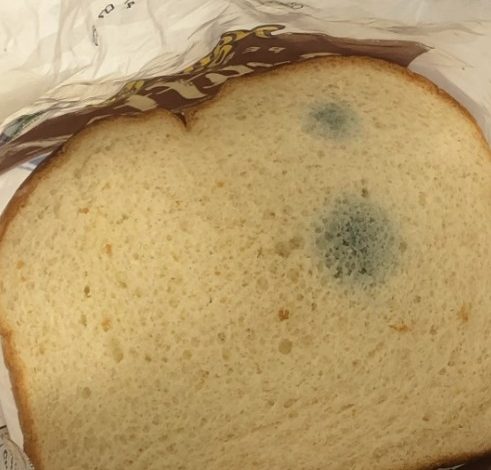
Here’s where things change. If you see green, blue, or black spots, it’s time to let go.
Never eat moldy bread, and don’t just cut off the moldy part. Bread is porous, meaning mold spores can spread invisibly throughout the loaf.
⚠️ Why It’s Risky:
- Mold can cause allergic reactions or respiratory issues.
- Some molds produce mycotoxins, which are linked to food poisoning and other health problems.
Bottom line: If you spot mold, toss the whole loaf. Better safe than sorry.
⏳ How Fast Does Bread Mold?
It depends on a few factors:
| Factor | Effect |
|---|---|
| Moisture | Fresh, moist bread molds faster than dry, store-bought loaves. |
| Temperature | Warm, humid environments speed up mold growth. |
| Preservatives | Store-bought bread with calcium propionate lasts longer. |
General Guidelines:
- Fresh bakery bread: 2–3 days at room temp
- Store-bought loaf: Up to a week in plastic
- Refrigerated bread: May last 7–10 days, but stales faster
🧊 How to Store Bread Properly
To keep bread fresh without inviting mold, balance moisture and airflow.
🥖 Short-Term (1–3 days):
- Use a paper bag or bread box.
- Avoid plastic unless you’re in a pinch—it traps moisture and speeds up mold.
❄️ Long-Term:
- Freeze it: Slice first, wrap tightly, and store in a freezer bag. Prevents both mold and staling.
🚫 Avoid Refrigeration (usually):
- Cold temps accelerate staling. Only refrigerate if your kitchen is very hot or humid.
🧺 Best Storage Options:
| Bread Type | Storage Tip |
|---|---|
| Artisan/Sourdough | Paper bag or bread box at room temp for 2–3 days; freeze for longer |
| Sandwich Loaf | Keep in original plastic bag; freeze after opening |
| Homemade Bread | No preservatives = quick spoilage. Freeze what you won’t eat soon |
🧠 Final Thoughts
Stale bread? Safe—and often better for cooking.
Moldy bread? Unsafe—toss it, even if the mold looks minor.
A little awareness goes a long way. You’ll save money, reduce waste, and maybe even discover your new favorite recipe. So next time you’re eyeing a questionable loaf, ask yourself:
Is this stuffing… or is this trash?
Choose wisely. Your taste buds—and your health—will thank you.